Jump To:
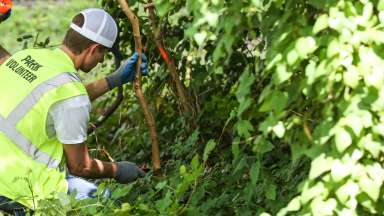
The Invasive Species Program was created to assist with the management of invasive species within the Raleigh Parks System. The program serves as a resource to manage infestations, prevent introductions, and provide educational opportunities to all citizens. Interested individuals and groups can volunteer to assist with managing the invasive species in our parks.
What are Invasive Species?
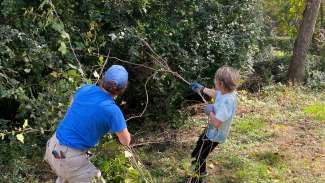
Invasive species are non-native organisms that spread quickly and outcompete native species for resources. Some invasives can even be toxic to native animals and birds. Known as the “City of Oaks”, the oak trees are one of many amazing native plant families that call Raleigh home. By removing invasive species, we are creating space for the native species to thrive, preserving the unique nature of Raleigh!
"Invasive species’ means, with regard to a particular ecosystem, a non-native organism whose introduction causes or is likely to cause economic or environmental harm, or harm to human, animal, or plant health."
- Executive Order 13751

Lesser Celandine (Ficaria verna) - Dark green, shiny, kidney shaped leaves with rumpled edges. Bright yellow flowers with 8-12 petals. Average height of 4-12 inches off the ground.

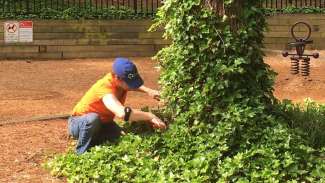
English Ivy (Hedera helix) - Dark green, waxy, leaves. Young leaves typically have three lobes and a heart-shaped base, whereas mature leaves can be unlobed and spade-shaped.

Mimosa Tree (Albizia julibrissin) - Showy, white and pink flowers that resemble fluffy pompoms. Large, dark green, compound leaves that resemble ferns. Can grow 20-40 feet in height.

Japanese Wisteria (Wisteria floribunda) - Light green leaves with 7-13 leaflets that are slightly wavy and almond-shaped. The flowers are a bright, showy, violet color that hangs down in clusters. The vines climb up in a clockwise rotation.
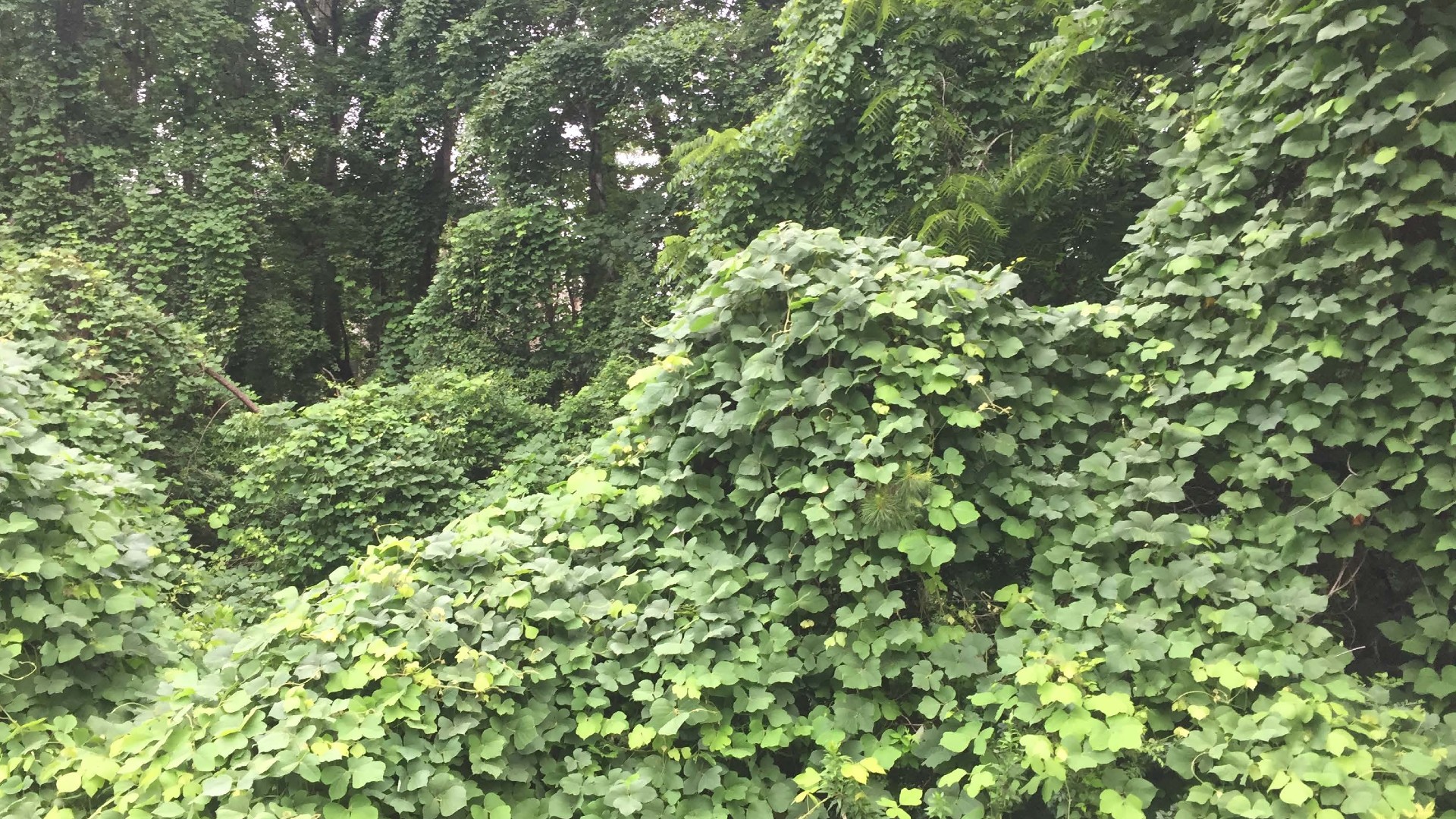
Kudzu (Pueraria montana) - Large, bright green leaves with a three-parted structure, meaning there are three leaflets per leaf. The middle leaflet is typically spade shaped, and the two side leaflets typically have two lobes. The underside of the leaves and the vines have small hairs making them feel fuzzy.
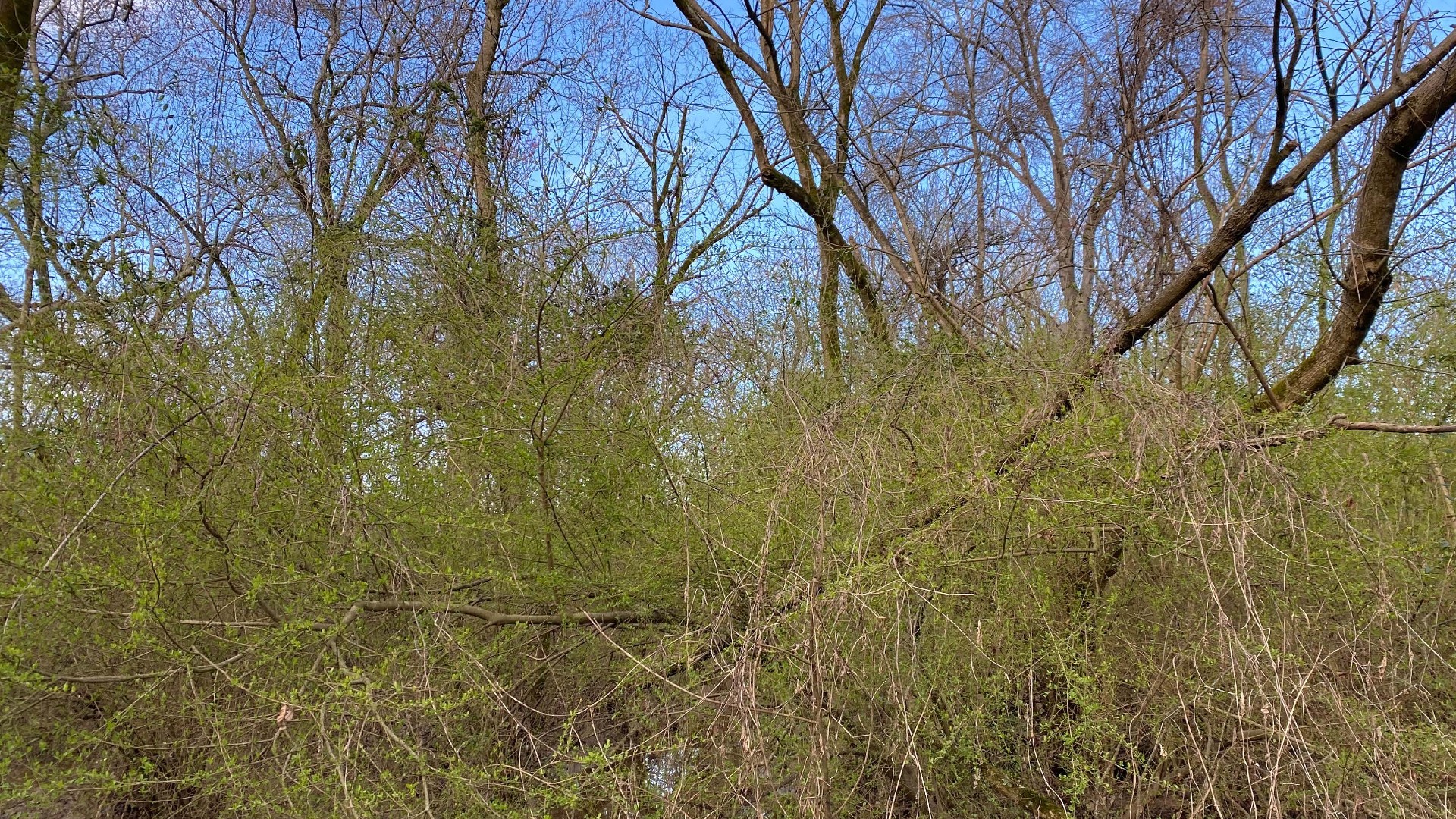
Chinese Privet (Ligustrum sinense) - Small, elliptic, ever-green leaves that grow opposite to each other on the stem. Fragrant, small, white flowers that grow in clusters. Typically grows to be 5-12 feet tall but can reach up to 30 feet.
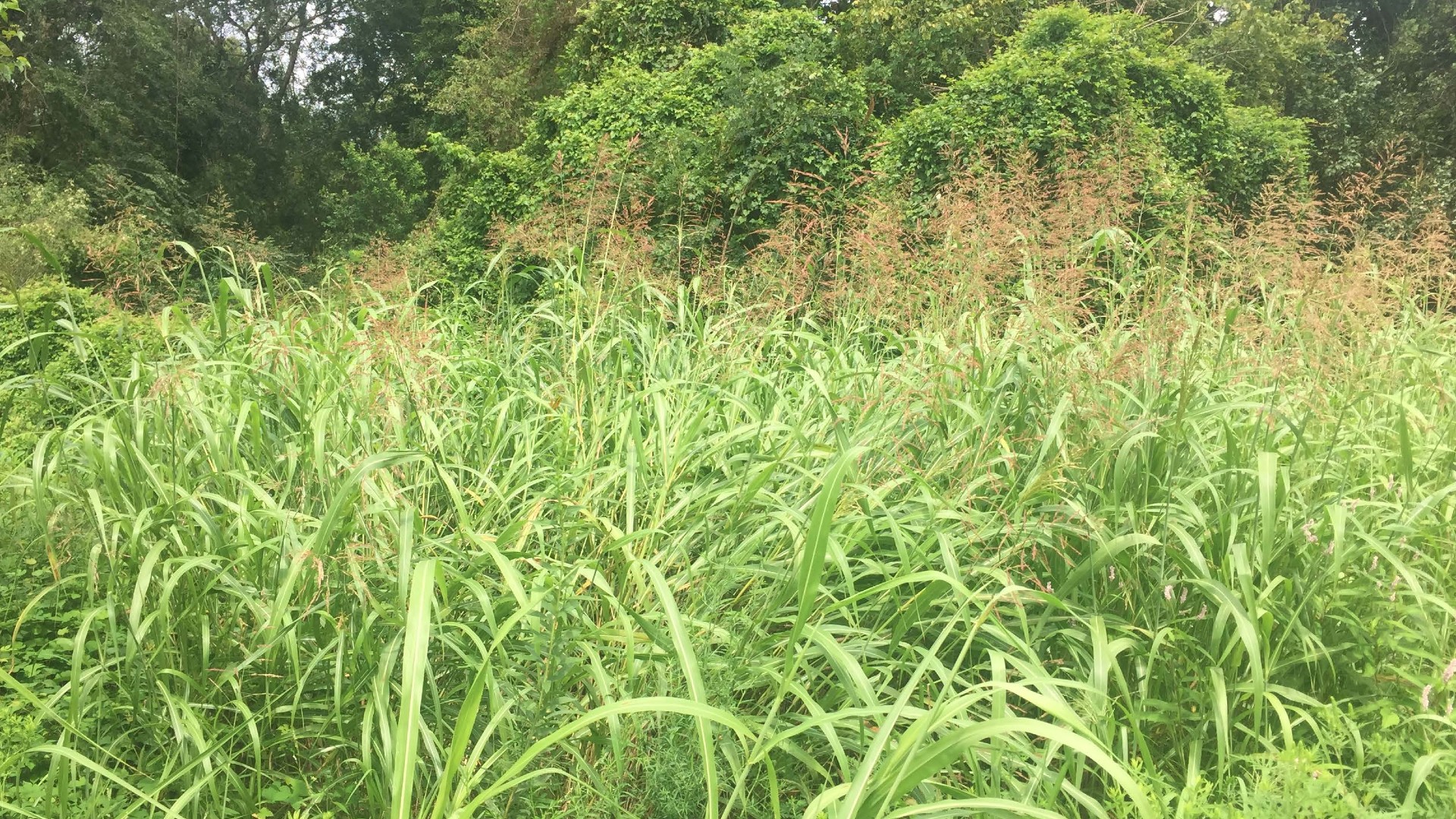
Johnson Grass (Sorghum halepense) - Grows in spreading, leafy tufts with smooth leaves that typically have a white or light green midvein and grows 6-20 inches long. The stems are a rusty red color near the base. The flower clusters are large, purplish, and hairy
Tracking Invasive Species
Free applications let you contribute to citizen science while discovering habitats around you. Try iNaturalist or SEEK to track invasive species and untangle the natural world's mysteries.